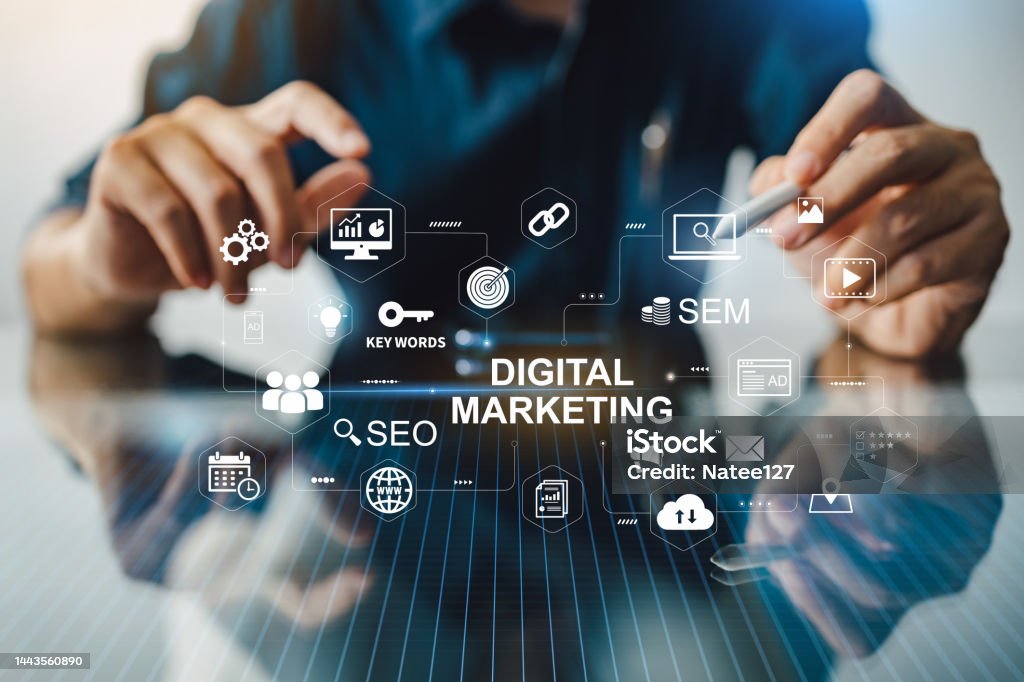
Marketing has evolved significantly over the years, transforming from newspaper ads and radio jingles to social media campaigns and personalized email journeys. Today, businesses operate in a world where both traditional marketing and digital marketing play important roles. While they share the same objective—reaching customers and driving sales—their approaches, platforms, and results differ greatly. Understanding the difference between the two is crucial for brands that want to stay competitive, especially in a digital-first world.
What Is Traditional Marketing?
Traditional marketing refers to the conventional methods used before the rise of the internet. These include:
- TV and radio advertisements
- Newspaper and magazine ads
- Billboards and posters
- Direct mail flyers
- Telemarketing
- In-store promotions and events
These methods target a broad audience and rely heavily on mass communication. For decades, traditional marketing was the primary way for businesses to create brand awareness and attract customers.
What Is Digital Marketing?
Digital marketing uses online platforms and technology to promote products and services. It includes channels such as:
- Social media marketing
- Search engine optimization (SEO)
- Paid ads (Google Ads, Meta Ads, etc.)
- Email marketing
- Content marketing
- Influencer marketing
- Websites and blogs
Digital marketing focuses on connecting with audiences through the internet, allowing brands to target specific groups, track results, and engage with customers in real time.
Key Differences Between Traditional and Digital Marketing
1. Mode of Communication
Traditional marketing uses one-way communication. Brands send messages to the audience, but there is minimal or no interaction. For example, a TV commercial plays, but customers cannot respond directly to it.
Digital marketing, on the other hand, allows two-way communication. Users can like, comment, share, and message the brand instantly. This builds stronger relationships and trust.
2. Audience Targeting
In traditional marketing, targeting is broad and not very precise. A billboard or newspaper ad reaches everyone—even those who are not interested in the product.
Digital marketing offers highly specific targeting. Brands can choose audiences based on age, gender, interests, behaviors, location, and even purchasing habits. This ensures the right message reaches the right person at the right time.
3. Cost and Budget
Traditional marketing techniques like TV ads, radio jingles, and full-page newspaper ads are often expensive. They are typically affordable only for big companies with large budgets.
Digital marketing is more cost-effective and accessible to small businesses. Even with a small budget, brands can run social media ads, build websites, or start content marketing.
4. Measurability and Analytics
One of the biggest limitations of traditional marketing is the lack of detailed analytics. It’s hard to know how many people saw a billboard or how many purchases came from a magazine ad.
Digital marketing provides real-time analytics. Marketers can track:
- Website traffic
- Clicks
- Impressions
- Engagement
- Conversions
- Return on investment (ROI)
This helps brands understand what’s working and what needs improvement.
5. Speed and Flexibility
Traditional marketing campaigns take time to plan, design, print, and distribute. Making changes after launch is often impossible or costly.
Digital marketing allows instant updates and quick campaign launches. If an ad is not performing well, it can be paused, edited, or replaced in minutes.
6. Audience Reach
Traditional marketing is great for reaching local audiences—like newspapers or radio stations that cater to a specific city or region.
Digital marketing provides global reach. A single social media post or YouTube video can reach people worldwide. This makes it ideal for businesses aiming to scale beyond their local market.
7. Engagement Level
Traditional marketing is passive. The audience receives the message but doesn’t actively participate.
Digital marketing is highly engaging. Users comment, share, interact with content, click on links, watch videos, and even participate in brand challenges.
8. Personalisation and Customer Experience
Traditional marketing offers limited personalization. Most ads are designed for the masses.
Digital marketing enables personalized content, such as:
- Custom email messages
- Product recommendations
- Retargeting ads
- Personalised landing pages
This improves user experience and increases conversion rates.
Which One Is Better?
Both traditional and digital marketing have their strengths.
Traditional marketing works best when:
- The target audience is older or less active online
- The goal is to build mass awareness
- You want to establish credibility through well-known channels like TV or newspapers
Digital marketing works best when:
- The target audience is active online
- You want measurable results
- Budget is limited
- You need targeted marketing and global reach
In today’s world, most successful brands use a combination of both. For example, a company might run TV ads for brand awareness and use social media ads to capture leads.
Conclusion
The difference between traditional marketing and digital marketing is not just about offline versus online. It is about how businesses communicate, target, engage, and measure their audience. Traditional marketing remains powerful for mass reach and brand credibility, while digital marketing is essential for precision, analytics, interaction, and scalability.
For businesses aiming to grow in the modern era, embracing digital marketing is no longer optional—it’s a necessity. The most effective marketing strategies blend the strengths of both methods to create a well-rounded and impactful brand presence.
Hi, this is a comment.
To get started with moderating, editing, and deleting comments, please visit the Comments screen in the dashboard.
Commenter avatars come from Gravatar.